
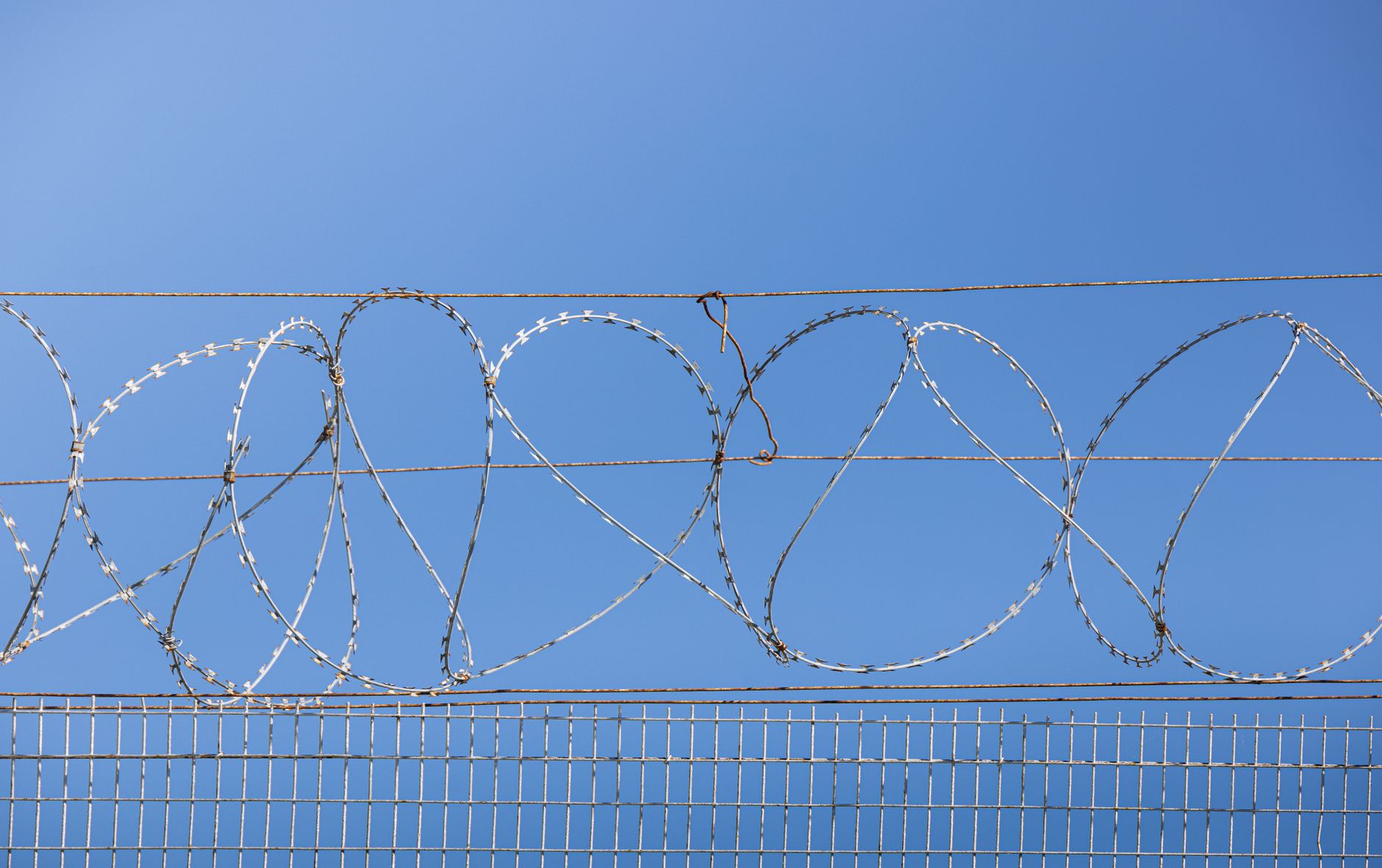
Border security technologies are being inspected by Amit Shah in West Bengal. This initiative aims to strengthen the region’s safety and defense capabilities.
Overview of Border Security Technologies
Border security technologies play a crucial role in enhancing the safety and security of a nation’s borders. These advanced technologies are designed to detect, monitor, and deter unauthorized crossings and potential threats. Recently, Indian Home Minister Amit Shah inspected various indigenous border security technologies in West Bengal, emphasizing the government’s commitment to improving national security.
During his visit, Shah laid the foundation for Border Security Force (BSF) projects valued at Rs 77 crore, which aim to strengthen the existing infrastructure and incorporate state-of-the-art technologies. Key components of modern border security systems often include:
- Surveillance Systems: Use of drones and cameras to monitor border areas in real-time.
- Motion Sensors: Devices that detect movement and unauthorized access along borders.
- Integrated Command Centers: Centralized locations to analyze data from various technologies for quick decision-making.
- Biometric Verification: Technologies that ensure accurate identification of individuals crossing borders.
As nations continue to face evolving security challenges, investing in border security technologies is essential for safeguarding borders and ensuring the safety of citizens.
Amit Shah’s Inspection Details
Union Home Minister Amit Shah conducted an extensive inspection of indigenous border security technologies in West Bengal, emphasizing the government’s commitment to enhancing safety along the nation’s borders. During his visit, he reviewed various advanced systems designed to bolster surveillance and control in critical areas.
Shah’s inspection included a demonstration of cutting-edge technologies that are being integrated into the operations of the Border Security Force (BSF). These technologies are pivotal in addressing challenges posed by illegal crossings and smuggling activities. The Home Minister highlighted the importance of adopting innovative solutions to ensure the integrity of the nation’s borders.
As part of the visit, Shah laid the foundation for several BSF projects, with an investment of Rs 77 crore aimed at upgrading infrastructure and technology at border posts. This initiative underscores the government’s proactive approach to border security, leveraging both indigenous development and advanced technologies.
Key components of the projects initiated by Shah include:
- Installation of surveillance drones
- Implementation of automated monitoring systems
- Development of rapid-response units
With these enhancements, the government aims to fortify border security and ensure a safer environment for its citizens.
Importance of Indigenous Technologies
The importance of indigenous technologies in enhancing border security cannot be overstated. As nations face evolving threats, integrating homegrown solutions becomes crucial for effective defense. Indigenous border security technologies not only improve efficiency but also reduce dependency on foreign systems.
By investing in local innovations, countries can tailor their border security measures to meet specific challenges faced in their regions. This ensures that the technologies are not only effective but also culturally and environmentally compatible. Additionally, utilizing indigenous technologies fosters economic growth by creating jobs and stimulating local industries.
During a recent inspection in West Bengal, Amit Shah highlighted the significance of these technologies. He emphasized their role in strengthening the Border Security Force (BSF) and enhancing overall safety. With projects worth Rs 77 crore underway, the government aims to bolster its capabilities through local expertise.
Moreover, the adoption of indigenous border security technologies promotes research and development within the country. This commitment to innovation can lead to breakthroughs that further enhance safety and operational efficiency. As nations strive to secure their borders, prioritizing local solutions will be key in developing a robust and responsive security framework.
Investment in BSF Projects
The recent inspection by Amit Shah in West Bengal has highlighted a significant investment in border security technologies, with the foundation laid for Border Security Force (BSF) projects valued at Rs 77 crore. This investment aims to bolster the existing infrastructure and enhance the overall safety at the border.
The BSF projects encompass a range of advanced technologies designed to improve surveillance and monitoring capabilities. These include:
- Drone Surveillance: The use of drones equipped with high-resolution cameras to monitor large swathes of border areas.
- Smart Fencing: Implementation of sensor-based fencing that can detect unauthorized movements.
- Integrated Control Rooms: Establishment of control rooms to coordinate real-time data from various surveillance sources.
- Mobile Observation Units: Deployment of mobile units that can be quickly relocated to areas of concern.
This investment not only reflects the government’s commitment to enhancing border security technologies but also supports the development of indigenous solutions. By focusing on homegrown technologies, the BSF can ensure that security measures are tailored to meet the unique challenges posed by the diverse terrain and conditions along the borders.
Impact on Regional Security
The recent advancements in border security technologies have had a significant impact on regional security, particularly in areas vulnerable to illegal crossings and smuggling. These technologies not only bolster surveillance capabilities but also enhance the overall readiness of border security forces to respond to emerging threats.
One of the key benefits of implementing modern border security technologies is the improvement in real-time situational awareness. With the integration of advanced surveillance systems, such as drone technology and thermal imaging cameras, border security personnel can monitor vast stretches of land more effectively. This allows for quicker responses to potential breaches and enhances coordination among various security agencies.
Moreover, the use of indigenous technologies fosters self-reliance and encourages local innovation, which is crucial for building a robust security framework. As these systems are developed within the country, they can be tailored to meet specific regional challenges, thus making them more effective.
Additionally, investment in border security technologies contributes to the economic stability of the region by deterring illegal activities that can disrupt local communities. As a result, enhanced border security not only protects national integrity but also supports the growth and safety of the surrounding areas.
Future of Border Defense
The future of border defense is increasingly intertwined with the advancement of border security technologies. As nations strive to protect their borders more effectively, innovative solutions are emerging that promise to enhance safety and efficiency. In the coming years, we can expect a significant shift toward integrating artificial intelligence and machine learning into border surveillance systems. These technologies will allow for real-time data analysis, enabling authorities to respond quickly to potential threats.
Furthermore, the use of drones and unmanned aerial vehicles is anticipated to rise, providing comprehensive surveillance capabilities over vast areas. These aerial technologies can monitor border regions that are otherwise difficult to patrol, ensuring that any suspicious activity is detected promptly. Additionally, biometric systems are likely to become more prevalent, streamlining the identification process for border crossings and improving overall security.
Investment in research and development will play a crucial role in the evolution of these border security technologies. Collaborations between government agencies and private tech firms will be essential to create cutting-edge solutions tailored to specific regional challenges. As countries continue to prioritize border security, the adoption of these advanced technologies will not only enhance safety but also foster greater cooperation between nations in the fight against cross-border crime.
Community Reactions to New Technologies
Community reactions to the introduction of new border security technologies have been mixed, reflecting a range of opinions on their potential impact. Residents living near the border often express a combination of hope and concern regarding these advancements.
- Support for Enhanced Safety: Many community members believe that border security technologies will significantly enhance safety in their areas. They feel that improved surveillance and monitoring systems can help deter illegal activities and reduce cross-border crime.
- Economic Considerations: Some locals are optimistic about the economic implications of these technologies. They argue that investment in border security can create jobs and stimulate local economies, particularly in regions with high unemployment rates.
- Privacy Concerns: However, there are also apprehensions regarding privacy. Some residents fear that increased surveillance may lead to unwarranted scrutiny and erosion of personal freedoms, raising questions about the balance between security and civil liberties.
- Calls for Transparency: Community leaders have urged the government to ensure transparency in the deployment of these technologies. They advocate for clear communication regarding the objectives and methods used, to foster trust between authorities and residents.
Overall, as border security technologies continue to evolve, the dialogue within these communities remains crucial in shaping future implementations.
Conclusion and Next Steps
In conclusion, the advancements in border security technologies signify a crucial step towards enhancing national safety and ensuring the integrity of borders. With the recent inspection by Amit Shah in West Bengal, it is evident that the government is committed to investing in indigenous solutions that not only bolster defense capabilities but also promote self-reliance in security measures.
The foundation laid for BSF projects worth Rs 77 crore highlights the importance of allocating resources towards cutting-edge technologies that can effectively address the challenges faced at our borders. As these projects come to fruition, the impact on regional security will be significant, fostering a safer environment for local communities and enhancing overall national security.
Moving forward, the focus should remain on the integration of innovative technologies while also addressing the community’s concerns and reactions to these advancements. Engaging with local populations and stakeholders will be essential in ensuring the successful implementation of these technologies.
Ultimately, as we navigate the future of border defense, it is vital to continue exploring new approaches and solutions that leverage both technology and community involvement. This multifaceted strategy will ensure that our borders are secure and that we are prepared for emerging challenges.
Photo by Magda Ehlers on Pexels