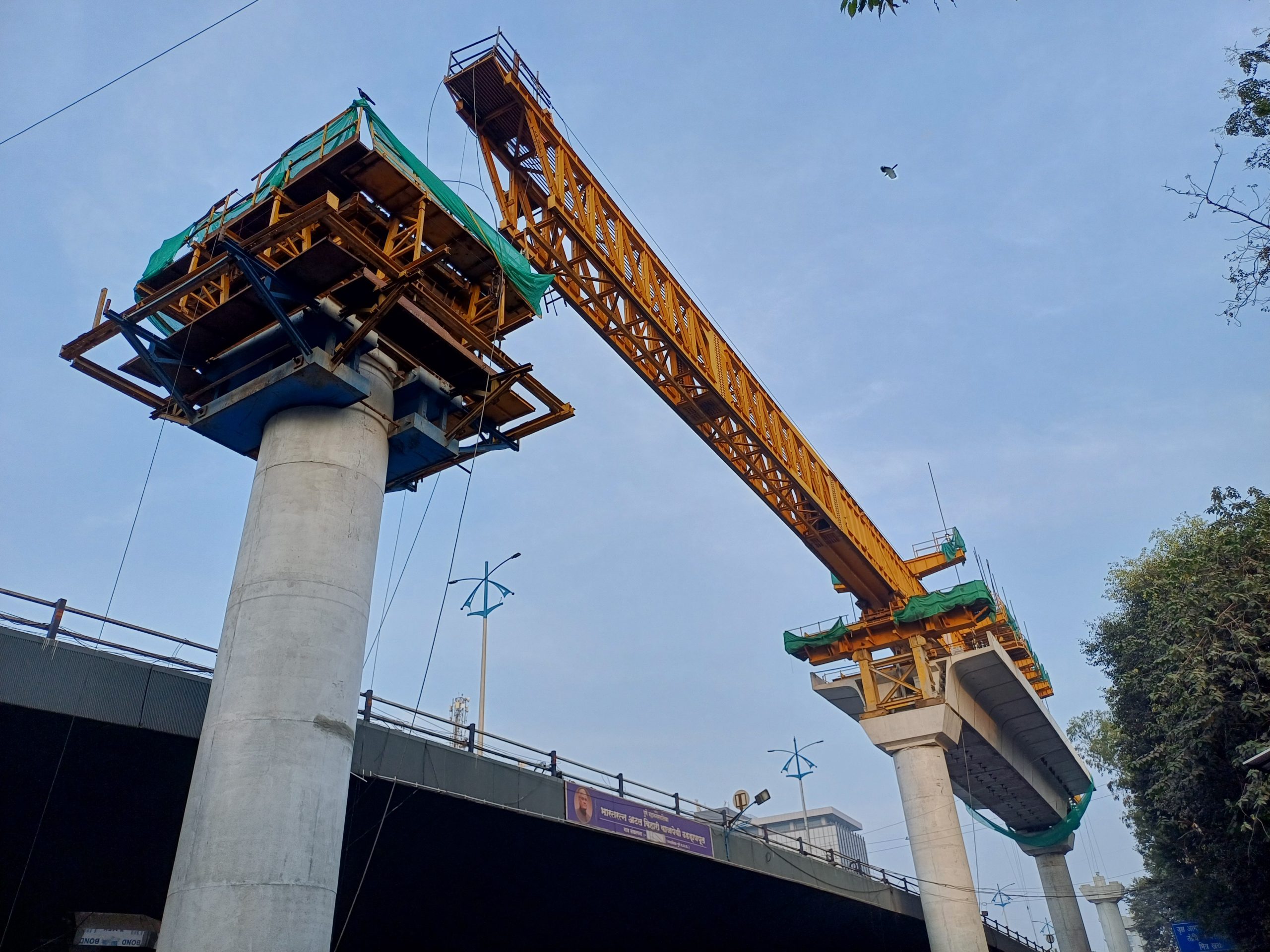
Land acquisition for railway project is a critical factor in the timely completion of infrastructure initiatives. The MoR is pushing for faster land acquisition to facilitate the Manmad-Indore New Railway Line Project in Nashik, Maharashtra.
Importance of Land Acquisition
The process of land acquisition for railway project development is crucial for enhancing transportation infrastructure and promoting economic growth. Timely and efficient land acquisition ensures that projects like the Manmad-Indore New Railway Line can proceed without delays, ultimately benefiting local communities and businesses.
Rapid land acquisition can facilitate:
- Improved Connectivity: New railway lines enhance access to remote areas, allowing for better mobility of goods and services.
- Economic Development: Railways create job opportunities and stimulate local economies through increased trade.
- Environmental Benefits: Efficient rail transport can reduce road congestion and lower carbon emissions, promoting sustainable practices.
As the Ministry of Railways (MoR) emphasizes the need for faster land acquisition, it is essential to streamline processes to meet project deadlines and serve public interests effectively.
Challenges in the Acquisition Process
The process of land acquisition for railway projects often faces several challenges that can delay progress and increase costs. These obstacles can arise from various sources, impacting timelines and project feasibility.
- Legal Disputes: Landowners may contest acquisitions, leading to lengthy litigation.
- Community Opposition: Local residents might resist changes, fearing loss of livelihood or disruption of their way of life.
- Compensation Issues: Disagreements over compensation rates can lead to dissatisfaction and protests.
- Regulatory Hurdles: Compliance with environmental and governmental regulations can slow down the process.
- Survey Delays: Inaccurate land surveys can result in complications and miscalculations in the acquisition process.
Addressing these challenges is crucial to ensure a smooth and timely land acquisition for railway projects, ultimately supporting infrastructure development.
MoR’s Initiatives for Speeding Up
The Ministry of Railways (MoR) has taken significant initiatives to expedite the land acquisition for the railway project, particularly focusing on the Manmad-Indore New Railway Line Project in Nashik, Maharashtra. The urgency is driven by the need to enhance transportation infrastructure and improve connectivity in the region.
In a recent meeting, the MoR outlined several strategies to streamline the acquisition process:
- Engagement with State Governments: Collaborating closely with local authorities to address bureaucratic hurdles.
- Use of Technology: Implementing digital tools for faster processing and transparency in land acquisition.
- Public Awareness Campaigns: Educating landowners about the benefits of the project to gain their support.
- Compensation Packages: Offering attractive compensation to minimize resistance from landowners.
These measures aim to facilitate smoother land acquisition for railway projects, ensuring timely completion and enhanced regional development.
Impact on Local Communities
The land acquisition for railway project has significant implications for local communities, both positive and negative. On one hand, the development of railway infrastructure can lead to improved connectivity and economic opportunities. Residents may benefit from enhanced access to markets, education, and healthcare services.
On the other hand, land acquisition can disrupt the lives of those who depend on the land for their livelihoods. Farmers may face displacement, which can lead to loss of income and social dislocation. Community engagement is essential to address these concerns effectively.
Moreover, the process must be conducted transparently to build trust among stakeholders. It is crucial to involve local populations in discussions regarding compensation and rehabilitation measures. Ultimately, successful land acquisition for railway project initiatives should strike a balance between development and the well-being of affected communities.
Such collaboration can foster a sense of shared progress and minimize the adverse effects of necessary infrastructure development.
Effective communication with local stakeholders is crucial for successful land acquisition for railway project. By engaging the community early in the process, potential concerns can be addressed, facilitating smoother land acquisition for railway project efforts.
By Archives New Zealand via Openverse