
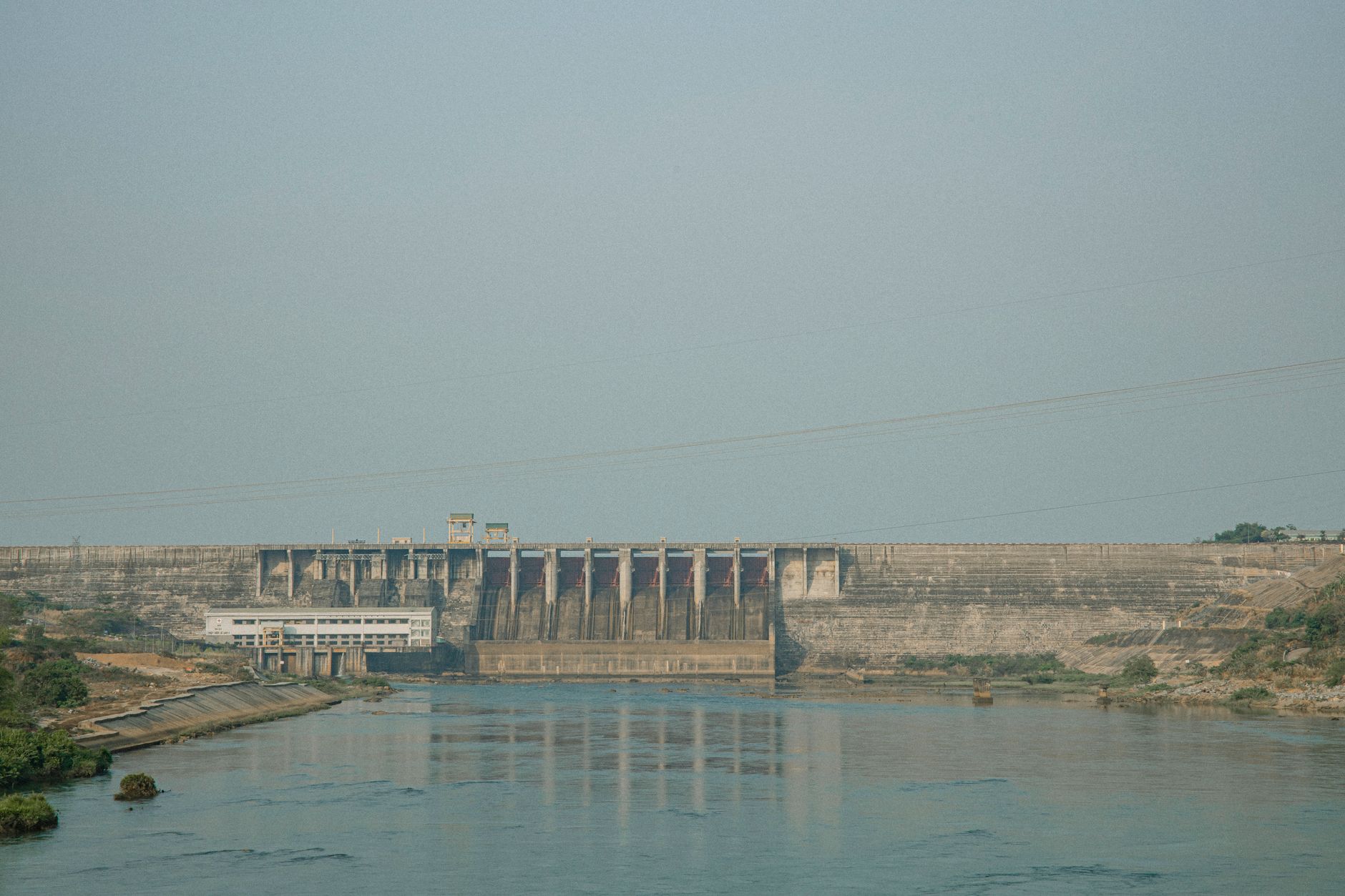
Sawalkote Hydropower Project has recently made headlines with its approval for a Rs 1,400 crore grant. This funding marks a significant step forward in the project’s development.
Overview of the Sawalkote Hydropower Project
The Sawalkote Hydropower Project is poised to play a pivotal role in enhancing India’s renewable energy capacity. With a planned capacity of 1,856 megawatts, this ambitious initiative aims to harness the potential of the Chenab River in Jammu and Kashmir. The project has recently gained momentum following the Public Investment Board’s approval for a grant of Rs 1,400 crore, signaling strong governmental support.
Additionally, there is a request for separate approval for a significant debt of Rs 18,730 crore to ensure the project’s financial viability. The Sawalkote Hydropower Project is expected to contribute not only to the region’s energy needs but also to job creation and economic development, reinforcing the government’s commitment to sustainable infrastructure and energy sources.
As the project progresses, it highlights the importance of clean energy initiatives in combating climate change.
Financial Implications of the PIB Grant
The financial implications of the PIB grant for the Sawalkote Hydropower Project are significant, as it paves the way for crucial funding required for its development. The PIB has approved a grant of Rs 1,400 crore, which will help in advancing the project, ensuring that key milestones are met without delays.
In addition to the grant, the PIB has also sought a separate approval for a substantial debt amounting to Rs 18,730 crore. This dual financial strategy aims to secure the necessary resources to complete the project efficiently.
The approval not only reflects the government’s commitment to renewable energy initiatives but also highlights the anticipated economic benefits, which include:
- Job creation in the region
- Increased energy security
- Reduction in carbon emissions
Future Prospects for Hydropower in India
The future of hydropower in India appears promising, particularly with projects like the Sawalkote Hydropower Project paving the way for increased investment and development. As the nation seeks to enhance its renewable energy capacity, several factors contribute to this positive outlook:
- Government Support: The recent approval of a significant grant demonstrates the government’s commitment to fostering hydropower initiatives.
- Technological Advancements: Innovations in hydroelectric technology are making projects more efficient and cost-effective.
- Environmental Considerations: Increasing awareness of climate change has intensified the focus on renewable energy sources, with hydropower being a key player.
- Investment Opportunities: As financial backing for projects like Sawalkote increases, private investors are likely to take an interest in the sector.
These elements collectively position hydropower as a crucial component of India’s energy strategy moving forward.
Understanding the Debt Approval Process
The debt approval process for the Sawalkote Hydropower Project is crucial for securing necessary funding. This multi-step procedure involves several key stages that must be navigated carefully.
- Initial Assessment: The project undergoes a comprehensive evaluation by financial institutions to determine its feasibility and potential risks.
- Documentation Submission: Detailed financial documents and project plans must be prepared and submitted to relevant authorities.
- Regulatory Approval: Various regulatory bodies will review the application to ensure compliance with national and environmental standards.
- Negotiation of Terms: Once approved, terms and conditions of the debt will be negotiated with lenders.
Successful navigation through these stages is essential for the Sawalkote Hydropower Project to secure its Rs 18,730 crore debt, which will facilitate the project’s completion and long-term viability.
Photo by HONG SON on Pexels