
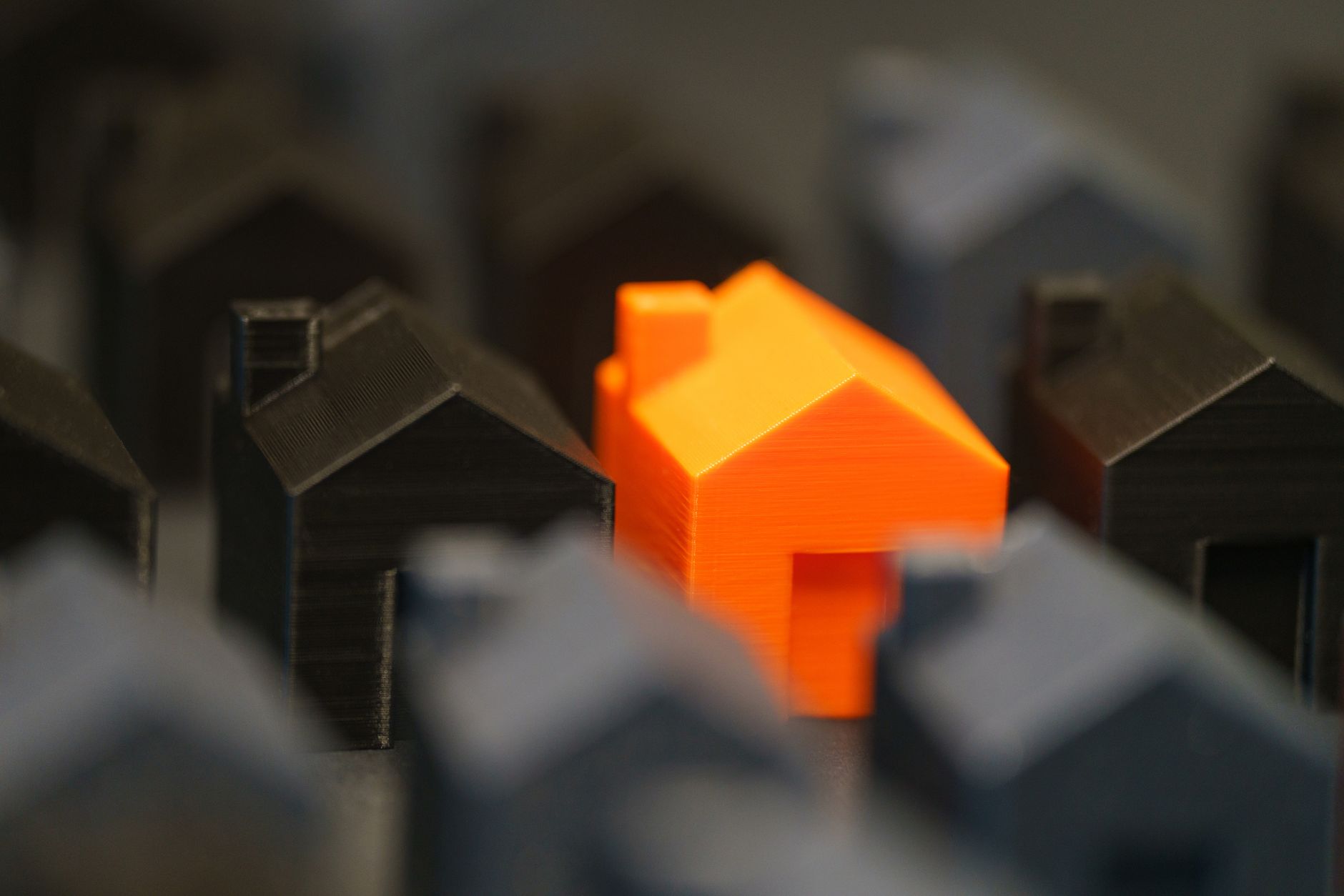
The stagnant price housing market is set to persist into next year, with low transaction volumes and minimal price movement. This trend raises concerns for potential buyers and sellers in the real estate landscape.
Current Trends in the Housing Market
The current trends in the housing market indicate a challenging landscape for buyers and sellers alike. Analysts suggest that the ongoing stagnation in the price housing market is a key factor affecting real estate transactions. As we look ahead, several noteworthy trends are emerging.
- Low Transaction Volume: The number of homes sold has seen a significant decline. Many potential buyers are hesitant, leading to a decrease in overall market activity.
- Stagnant Prices: Despite fluctuating interest rates, home prices have remained largely unchanged. This stagnation can make it difficult for sellers to find buyers willing to pay their desired price.
- Increased Rental Demand: With homeownership becoming less attainable, more individuals are turning to rental options. This shift is expected to drive up rental prices in numerous markets.
- Shift in Buyer Preferences: Buyers are increasingly seeking homes with more space and amenities, reflecting changing lifestyles influenced by remote work and lifestyle priorities.
- Market Predictions: Experts predict that the stagnant price housing market will persist into the next year, with potential shifts occurring only if economic conditions improve significantly.
Overall, the combined effects of these trends are creating a unique and challenging environment for those involved in the housing market.
Factors Influencing Housing Prices
The stagnant price housing market is influenced by various factors that contribute to its current state. Understanding these elements can provide insight into why housing prices remain unchanged despite shifting economic conditions.
- Interest Rates: The increase in interest rates has made borrowing more expensive, leading to decreased demand for homes. Potential buyers may hesitate to enter the market, resulting in less competition and stagnant prices.
- Supply and Demand Imbalance: A surplus of homes available for sale coupled with lower buyer demand creates a challenging environment for sellers. This imbalance often leads to price stagnation as sellers struggle to attract buyers.
- Economic Uncertainty: Factors such as inflation and job market instability can deter potential homebuyers. When consumers are uncertain about their financial future, they are less likely to make significant investments in real estate.
- Changing Demographics: The preferences of younger generations, who may prioritize renting over homeownership, are shifting the traditional real estate landscape. This change contributes to a stagnant price housing market as demand fluctuates.
These factors combined create a complex environment where housing prices struggle to gain momentum, indicating that the stagnant price housing market may persist in the near future.
Predictions for Next Year
As we look ahead to the coming year, experts predict that the stagnant price housing market will persist, driven by several underlying factors. With interest rates remaining high and buyer sentiment low, many potential homeowners are holding off on purchasing, leading to a continued decline in transaction volumes.
Moreover, the economic uncertainty surrounding inflation and job stability will likely play a significant role in shaping the housing landscape. Analysts suggest that the following trends may emerge:
- Increased rental demand: As buying becomes less attainable, more individuals and families may opt for renting, further straining the rental market.
- Stagnant property values: Without a surge in demand, many properties may see little to no appreciation in value, contributing to a stagnant price housing market.
- Shift toward suburban areas: Remote work continues to influence homebuyers’ preferences, leading to a greater interest in suburban properties, which may not see significant price changes.
- Continued inventory challenges: Limited new construction and a reluctance from homeowners to sell will keep inventory low, which could stabilize prices despite low demand.
In summary, while the stagnant price housing market presents challenges, it also encourages a strategic approach for buyers and sellers alike in navigating the upcoming year.
Impact on Buyers and Sellers
The stagnant price housing market has significant implications for both buyers and sellers. As the market struggles to find momentum, potential homebuyers face challenges that can hinder their purchasing power and options.
For buyers, the stagnation creates a sense of uncertainty. Many are hesitant to make a move, fearing that prices may not rise or could even decrease further. This caution can lead to:
- Increased competition: With fewer homes being sold, buyers may find themselves competing for a limited number of properties, driving up prices despite overall stagnation.
- Longer decision-making processes: Buyers may take their time to research and weigh their options, leading to extended periods of indecision.
- Financing challenges: Lenders may tighten their criteria, making it harder for some buyers to secure loans in a stagnant market.
For sellers, the stagnant price housing market poses its own set of difficulties. Homeowners hoping to upgrade or relocate may feel trapped in their current homes. Key impacts include:
- Reduced equity: Many sellers might not see a return on their investment, leading to frustration.
- Decreased urgency: Homeowners may choose to delay selling, expecting that conditions will improve.
- Pricing pressure: Sellers may need to adjust their expectations and pricing strategies to attract buyers.
Expert Opinions on Market Stability
Experts agree that the ongoing stagnant price housing market presents unique challenges for both buyers and sellers. Many analysts believe that the stability seen in recent months may not be a temporary phase but rather a new norm in the real estate landscape.
According to Dr. Jane Thompson, a leading economist in the housing sector, “The lack of price movement suggests that the market is grappling with a fundamental shift. Buyers are hesitant, and sellers are reluctant to lower their asking prices.” This sentiment is echoed by several market observers who highlight that the low transaction volume is indicative of broader economic concerns.
Market stability is not necessarily a positive indication, as noted by real estate analyst Mark Chen. “When prices stagnate, it creates a psychological barrier for potential buyers, who often wait for more favorable conditions. This can lead to prolonged periods of inactivity in the market.”
In addition, experts warn that if the stagnant price housing market persists, it could result in long-term consequences for homeownership rates and overall economic growth. As buyers remain on the sidelines, the market may face a decline in new construction projects, further exacerbating the supply-demand imbalance.
As these expert opinions illustrate, the future of the housing market hinges on overcoming the current stagnation and fostering a more dynamic environment for transactions.
Photo by Jakub Zerdzicki on Pexels
Read the original
Related stories
Private School Funding: Proven Ways to Boost Melbourne House Prices · Prestige Estates pre-sales: Is it the best investment opportunity? · Electric ES Launch: The Best Challenge to Premium Market