
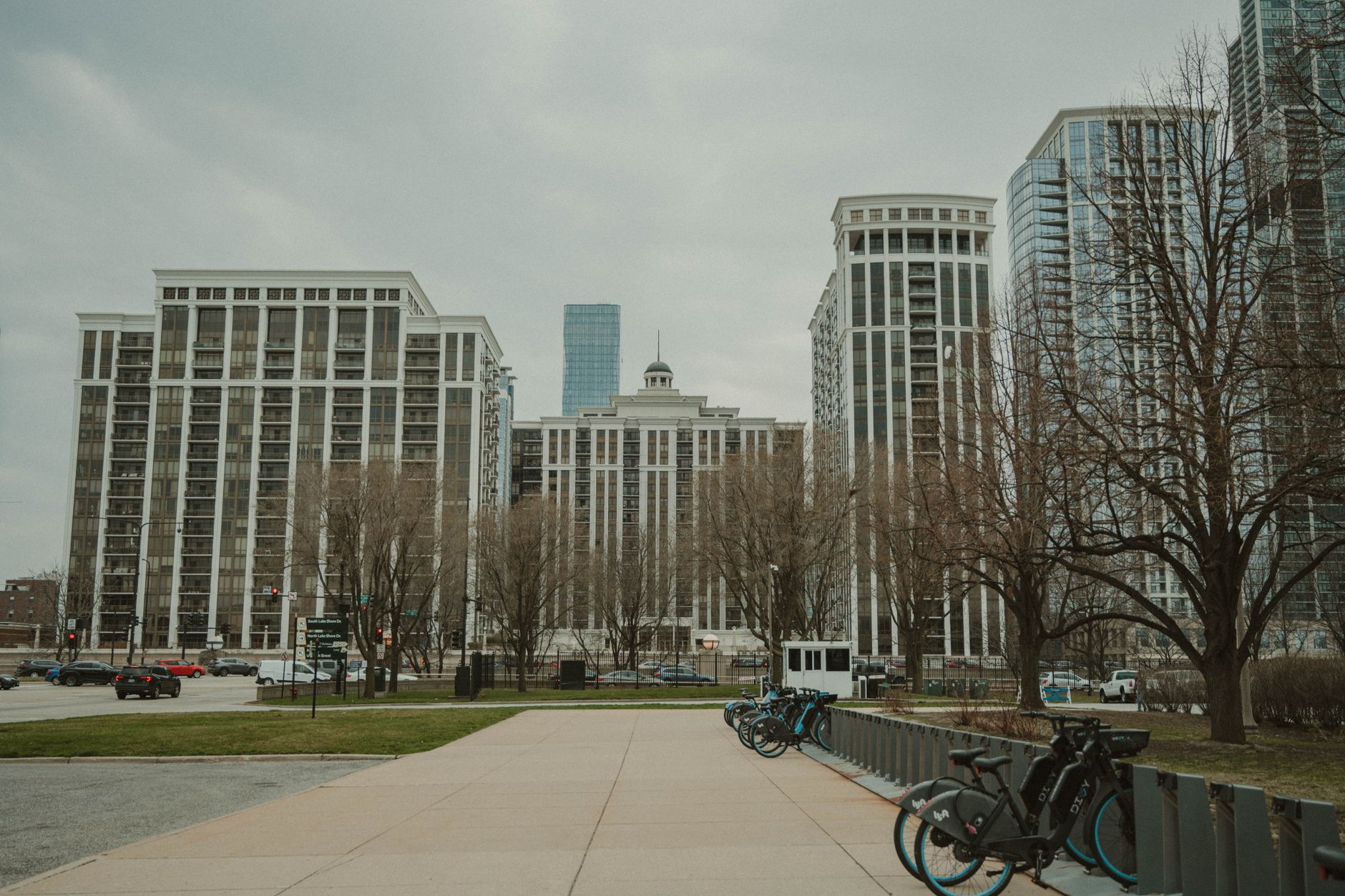
The Chicago rental market is proving to be the most competitive in the U.S. this year, attracting attention from both renters and investors alike.
Understanding the Chicago Rental Market
The Chicago rental market has recently gained attention for its competitive landscape, making it one of the most sought-after cities for renters in the United States. With a diverse array of neighborhoods, each offering unique amenities and lifestyles, the city attracts a wide range of individuals and families.
In this bustling rental environment, several factors contribute to the high demand for housing:
- Population Growth: Chicago’s steady population growth fuels the demand for rental properties, particularly in vibrant areas close to public transportation and employment hubs.
- Job Opportunities: The city’s robust economy and job market draw new residents, increasing competition among renters.
- Urban Amenities: With its rich cultural scene, extensive dining options, and recreational activities, Chicago offers an appealing urban lifestyle, further enhancing demand.
- Limited Housing Supply: A slower pace of new construction has led to a tighter rental market, resulting in higher prices and increased competition for available units.
As a result, renters in Chicago are facing challenges such as rising rents and limited inventory. Understanding the intricacies of the Chicago rental market is essential for those looking to secure housing in this dynamic environment. Being well-informed can empower renters to make strategic decisions in a competitive landscape.
Key Factors Driving Competition
The Chicago rental market has become increasingly competitive, driven by several key factors that shape the landscape for renters. Understanding these factors is essential for anyone navigating the city’s housing options.
- Population Growth: Chicago has seen a steady influx of new residents, particularly young professionals and families seeking urban living. This rise in population increases demand for rental properties, intensifying competition.
- Limited Housing Supply: The availability of rental units in desirable neighborhoods is often limited. Many buildings are fully occupied or have long waiting lists, making it challenging for renters to secure their ideal home.
- Rising Rental Prices: As demand outpaces supply, rental prices continue to climb. This trend can lead to bidding wars among prospective tenants, further highlighting the competitive nature of the market.
- Remote Work Trends: The shift towards remote work has allowed many renters to seek accommodations in various neighborhoods, expanding the pool of competition beyond traditional areas.
- Investment in Infrastructure: Continued investment in public transportation and urban development has made certain neighborhoods more appealing, drawing interest from renters looking for convenience and amenities.
These factors intertwine to create a robust and competitive landscape within the Chicago rental market, compelling renters to act quickly and strategically when searching for a new home.
Tips for Renters in Chicago
The Chicago rental market can be daunting for prospective renters, but with the right strategies, navigating it can become a more manageable task. Here are some essential tips for renters looking to secure a place in this competitive landscape:
- Research Neighborhoods: Familiarize yourself with various neighborhoods in Chicago. Each area has unique characteristics, amenities, and price points. Determine which neighborhoods align with your lifestyle and budget.
- Set a Budget: Before starting your search, establish a clear budget. Factor in not just rent but also utilities, groceries, and transportation costs to ensure your financial comfort.
- Act Quickly: In a competitive rental market like Chicago, desirable listings can disappear quickly. Be prepared to act fast when you find a place that fits your needs.
- Prepare Your Documents: Landlords often require a range of documents, such as proof of income, credit reports, and references. Have these ready to present, which can give you an edge over other applicants.
- Utilize Online Platforms: Take advantage of online rental platforms and local listings to find the most up-to-date information on available properties in the Chicago rental market.
By employing these strategies, renters can increase their chances of finding a suitable home in one of the most competitive rental markets in the U.S.
Current Rental Price Trends
The current rental price trends in the Chicago rental market reflect a dynamic landscape, where demand continues to outpace supply. As of 2023, rental prices have seen a significant increase, driven by various factors including population growth and a resurgence in urban living.
According to recent reports, the average rent for a one-bedroom apartment in Chicago has risen by approximately 10% over the past year, with some neighborhoods experiencing even steeper increases. This surge can be attributed to the return of professionals to the city, as remote work policies have shifted and more individuals seek the amenities and lifestyle that urban living offers.
Additionally, the competitive nature of the market has led to a rapid turnover of available units. Many renters are finding that apartments are being rented out within days of being listed, often with multiple applications on the table. This trend has created a sense of urgency for potential tenants, who are encouraged to act quickly to secure a lease.
As renters navigate this competitive landscape, it is crucial to stay informed about the latest price trends. Monitoring local listings and understanding neighborhood dynamics can provide valuable insights into making informed rental decisions. With Chicago’s rental market continuing to evolve, being proactive and prepared is key for those looking to find their next home.
Future Outlook for Chicago Rentals
The future outlook for the Chicago rental market appears promising, as several factors contribute to an increasingly competitive landscape for renters. With the city’s population showing signs of growth and a steady influx of new residents, demand for rental properties is likely to remain high.
Experts anticipate that rental prices may stabilize, allowing for more diverse options for renters. Increased construction of multi-family housing units aims to address the demand-supply imbalance, with various developments scheduled to complete in the coming years. This expansion is expected to enhance affordability in certain neighborhoods, making the Chicago rental market more accessible.
Moreover, as remote work continues to reshape housing preferences, renters may seek larger spaces or different neighborhoods than in previous years. Some areas that were once less desirable could see a surge in interest, driving competition in those locales.
Additionally, policy changes at the city level might further influence the rental landscape. Initiatives aimed at tenant protection and rental assistance programs are anticipated, which could positively affect both renters and landlords. By fostering a more balanced rental environment, these measures may contribute to a healthier Chicago rental market overall.
As the market evolves, renters are encouraged to stay informed about trends and developments that could impact their housing decisions. Understanding the trajectory of the Chicago rental market will be crucial for making strategic choices in the coming years.
Photo by Quang Vuong on Pexels