

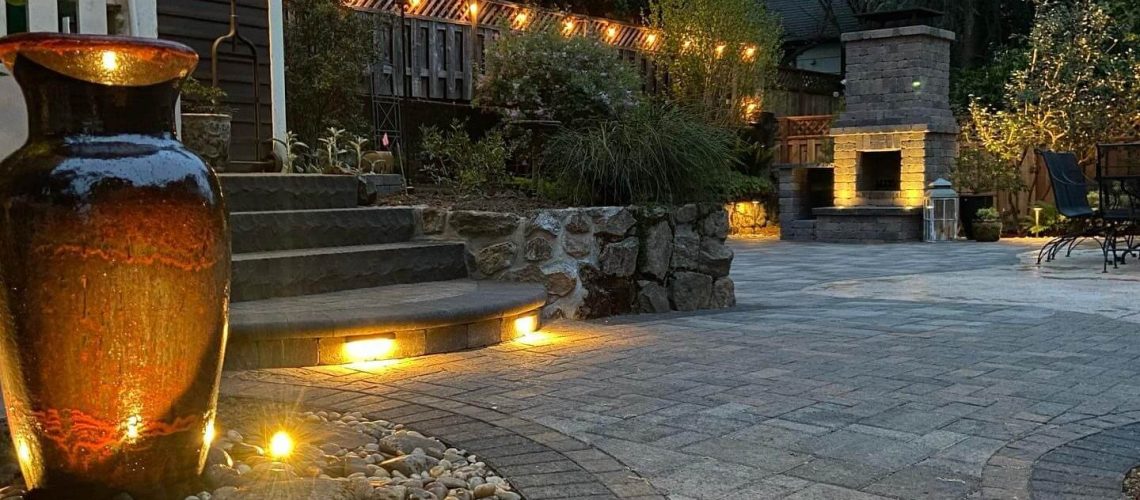
Paver stone driveways, porches, and walkways add advantage and durability to houses. Many homeowners see them and believe, “I can do that myself and save money.” While paver establishment looks straightforward, secret complexities form many DIY projects more costly in the end.
Understanding where DIY usually goes wrong and why professional driveway installation provides better results helps homeowners make bolder decisions before they start their next outdoor project.
What Homeowners Regret Doing Themselves
1. Underestimating Base Excavation Depth
Most DIYers dig also shallow. A decent paver base requires:
- 6–8 inches of suppressed stone for patios
- 10–12 inches for driveways
Skipping decent depth leads to immersing, shifting, and water combining. Once winter freeze-thaw cycles hit, repairs become inevitable—and harmful.
2. Poor Compaction
Professionals use plate compactors with thousands of pounds of force. DIYers frequently rely on help tampers or rental finishes, but improper compaction causes:
- Settlement
- Uneven surfaces
- Successful establishment failures in months
This is one of the top regret extents because homeowners do not realize that compaction quality is invisible—until the surface moves.
3. Incorrect Slope and Drainage
Creating a pavement that drains water further structures demand laser-level accuracy. DIY projects often trap water or transmit it toward house establishments, patios, or garage slabs. Once water problems start, re-grading means cutting up the entire surface.
4. Choosing Cheap Materials
Homeowners frequently pick low-grade pavers to save money, only to regret there:
- Color declining
- Strength failure
- Slippery surfaces
- Uneven width
Professionals recommend qualifications based on traffic, mood, and soil. DIYers may not know that drive pavers need a different grade than patio pavers.
5. Unstable Edge Restraints
Without decent edge restraints, pavers spread and separate. DIYers frequently miss restraints or install them incorrectly. Once edges drop containment, the whole pattern starts drifting, requiring a repair.
6. Incorrect Bedding Layer Thickness
The layer under pavers—bedding sand—must be screeded accurately to 1 inch. Many DIY establishments see:
- Too much soil, causing sinking
- Too little sand, conceiving pressure points
A professional driveway installer uses steel screed rails for exactness, while DIY projects rely on eye judgment.
7. Cutting and Fitting Challenges
DIYers often regret trying to cut pavers without:
- Wet saws
- Diamond blades
- Safety supplies
Irregular edges, chipped metals, and visible breaks reduce curb appeal and fundamental fit.
Why Professional Installation Is Worth It
1. Correct Base and Drainage Engineering
Professionals understand soil types, ground shift, frost wisdom, and slope requirements.
2. Better Tools and Materials
Contractors have an approach to commercial compactors, laser levels, wet saws, and geotextile fabrics.
3. Design Expertise
Pattern geography, edge cutting, curves, and transitions are smooth to execute correctly with knowledge.
4. Warranty and Support
DIY results fall on the proprietor; professional work usually comes with years of workmanship guarantees.
5. Long-Term Cost Savings
What begins as DIY savings frequently turns into repairs or a full restoration within 1–3 years.
Conclusion
Paver stone driveways installation is one of those home projects that looks easy-going on the surface but requires precision beneath it. Many homeowners regret trying full paver driveways, abundant patios, or difficult-use walkways themselves because base breakdowns, drainage issues, fluctuating stones, and beautifying flaws cause expensive headaches.