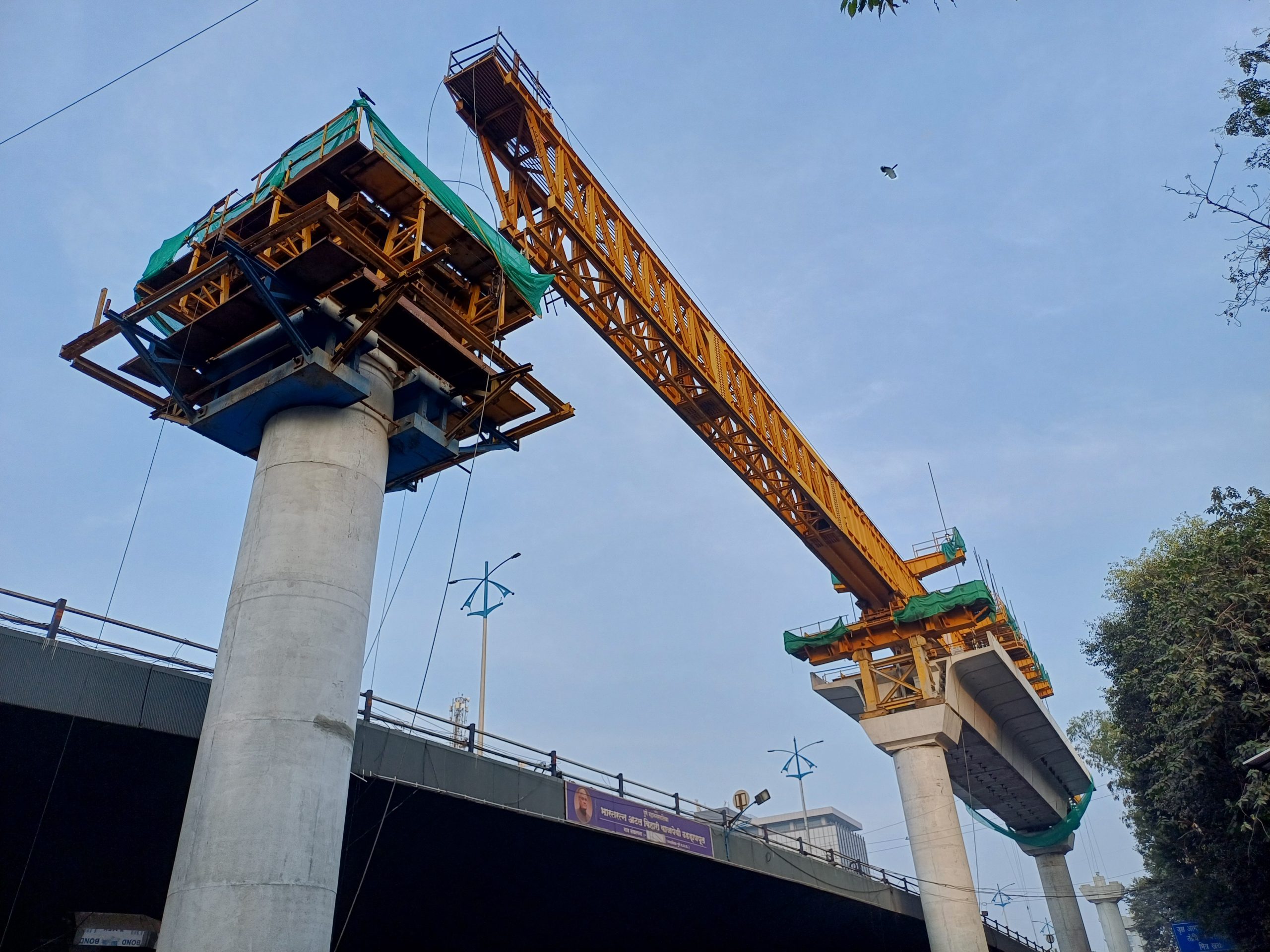
India infrastructure cost overrun has become a pressing issue, with recent reports indicating a staggering Rs. 3.28 Lakh Crore over budget in October. This alarming trend raises questions about the management of infrastructure projects across the nation.
Overview of India’s Infrastructure Projects
India has been experiencing significant challenges in managing the costs associated with its infrastructure projects. Recent reports indicate that the nation recorded an astonishing Rs. 3.28 lakh crore in cost overruns as of October. This figure highlights the ongoing issues that plague various sectors, from transportation to energy.
The primary contributors to these overruns stem from a combination of factors that hinder project completion and inflate budgets. Key issues include:
- Delays in approvals: Lengthy bureaucratic processes often stall progress.
- Land acquisition challenges: Difficulties in securing land can lead to prolonged timelines and increased expenses.
- Inflation: Rising costs of materials and labor further exacerbate budget constraints.
- Design changes: Modifications during construction can significantly impact financial planning.
As the country aims to bolster its infrastructure to support economic growth, the issue of India infrastructure cost overrun remains a pressing concern for policymakers and stakeholders alike. Addressing these challenges is crucial for ensuring that future projects are completed efficiently and within budget.
Impact of Cost Overruns on the Economy
The recent revelations about India’s infrastructure cost overrun paint a stark picture of the potential economic implications. As the nation grapples with a staggering Rs. 3.28 lakh crore in overruns, the effects extend beyond mere financial mismanagement.
One major impact is the strain on public finances. The government may need to divert funds from essential services such as education and healthcare to accommodate these overruns. This diversion can lead to a decline in quality of life for millions of citizens.
Additionally, increased costs can stall ongoing projects, delaying critical infrastructure development. When projects take longer and cost more, it can result in:
- Reduced investor confidence: Investors may hesitate to commit to future projects.
- Job losses: Workers in the construction and related sectors may face layoffs.
- Higher project costs: Future projects may become more expensive, perpetuating the cycle of cost overruns.
In summary, the implications of India’s infrastructure cost overrun are profound, threatening economic stability and growth prospects for years to come.
Government Response to Budget Issues
The Indian government is facing mounting pressure to address the growing issue of infrastructure cost overruns, which have now reached a staggering Rs. 3.28 lakh crore. In response, officials have outlined a series of measures aimed at mitigating the financial strain on ongoing projects.
Key aspects of the government’s response include:
- Increased Funding: The government plans to allocate additional resources to critical infrastructure projects, ensuring that they remain on schedule despite rising costs.
- Streamlined Approval Processes: Efforts are underway to expedite project approvals, reducing delays that often contribute to cost escalations.
- Enhanced Monitoring: A robust framework for monitoring project expenditures is being implemented, allowing for timely interventions when overruns are detected.
- Stakeholder Engagement: The government is advocating for increased collaboration among stakeholders, including private investors, to share the financial risks associated with large-scale infrastructure projects.
These initiatives aim to curb the trend of infrastructure cost overruns in India, which not only impacts the projects themselves but also poses a significant challenge to economic stability and growth.
Case Studies of Major Projects
Recent analysis of major infrastructure projects in India reveals significant cost overruns that paint a troubling picture of budget management. Notable case studies highlight the extent of these overruns and their implications for future development.
- Mumbai Coastal Road Project: Originally estimated to cost Rs. 12,721 crore, the budget ballooned to Rs. 15,000 crore, marking a cost overrun of over 18%. This project aims to enhance connectivity but raises concerns over fiscal discipline.
- Delhi-Meerut Expressway: This ambitious project faced delays and financial mismanagement, with costs soaring from Rs. 5,000 crore to Rs. 8,000 crore. Stakeholders have criticized the lack of planning, leading to a staggering 60% increase in expenses.
- Chardham Highway Project: Initially pegged at Rs. 12,000 crore, this project now faces an estimated cost of Rs. 15,500 crore, reflecting a 29% overrun. Environmental challenges and land acquisition issues have contributed to these rising costs.
Such case studies of major projects exemplify the broader trend of infrastructure cost overruns in India, calling for enhanced scrutiny and improved project management practices.
Future Outlook for Infrastructure Development
The future of infrastructure development in India remains uncertain amid the alarming trend of cost overruns. With a record Rs. 3.28 lakh crore in overruns reported in October, stakeholders are increasingly concerned about the sustainability and feasibility of ongoing and upcoming projects.
Industry experts anticipate that unless significant reforms are implemented, the scenario may worsen. Key challenges that need to be addressed include:
- Regulatory Delays: Lengthy approval processes can lead to increased costs and hinder project timelines.
- Resource Management: Inefficient allocation and management of resources often contribute to unexpected expenses.
- Inflation: Rising material costs can severely impact budgets, leading to further overruns.
To mitigate these issues, experts recommend enhancing transparency in project management and adopting advanced technologies for better planning and execution. The government’s proactive measures and commitment to tackling the infrastructure cost overrun crisis will be crucial in shaping the future of India’s infrastructure landscape.
As the nation moves forward, collaboration between the government, private sector, and local communities will be essential to ensure efficient and sustainable infrastructure development.
The recent analysis highlights the staggering implications of the India infrastructure cost overrun on the nation’s economic growth. As projects face delays and budget excesses, the India infrastructure cost overrun threatens to undermine critical development goals.