
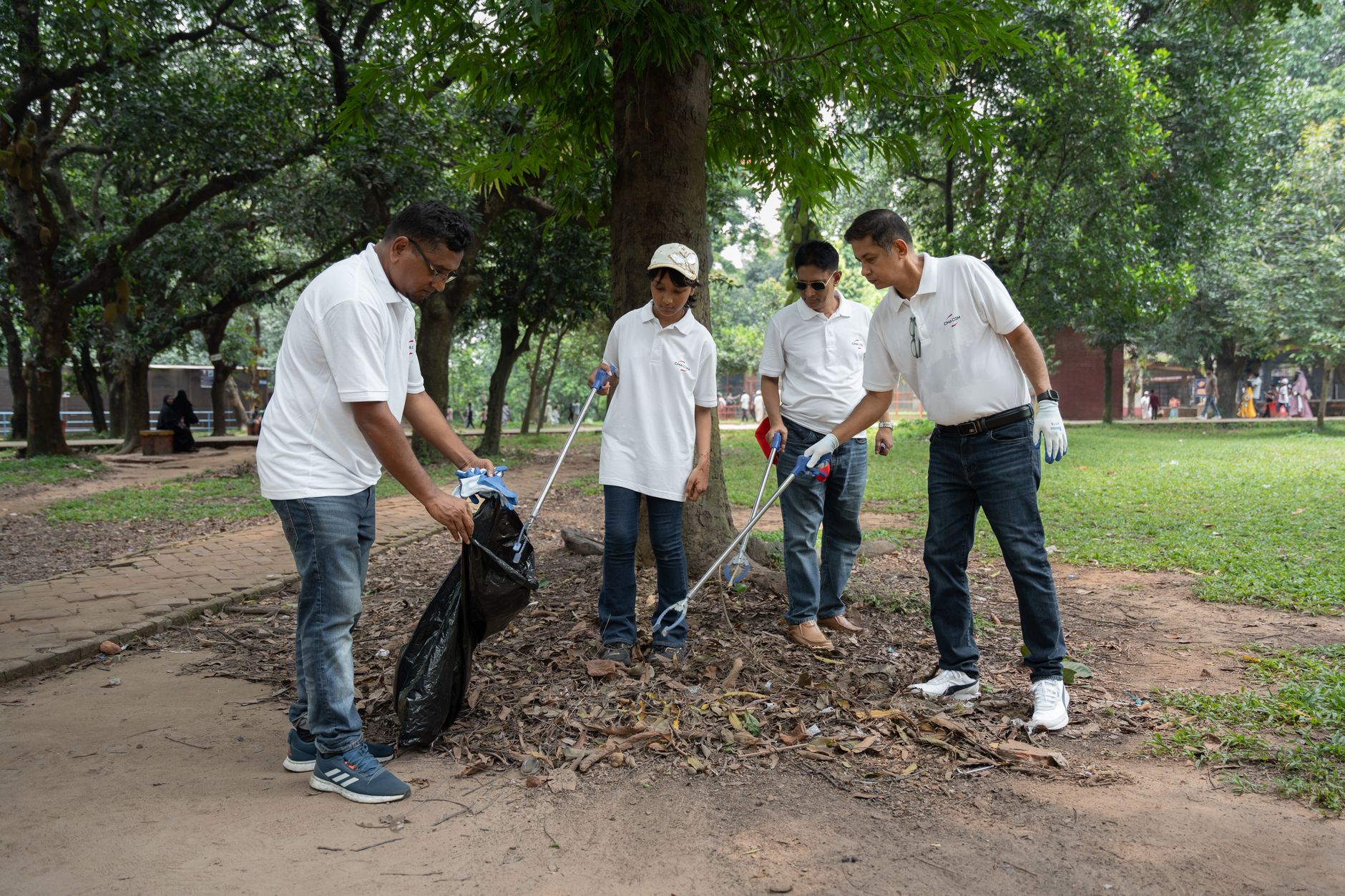
The Swachhata Internship Programme aims to enhance student involvement in cleanliness efforts. This innovative initiative encourages schools across Kashmir to participate actively in promoting hygiene and sanitation.
Introduction to the Swachhata Internship Programme
The Swachhata Internship Programme is an innovative initiative launched by Mandeep Kaur aimed at fostering cleanliness and hygiene in schools across Kashmir. This programme not only empowers students to take charge of their surroundings but also instills a sense of responsibility and community service. By participating in the Swachhata Internship Programme, students engage in various activities that promote cleanliness, such as organizing cleanliness drives and creating awareness about waste management.
Through this initiative, schools are encouraged to develop a culture of cleanliness among students, which can lead to lasting positive impacts on their environment. Additionally, the programme aims to educate students on the importance of sanitation and hygiene, making them advocates for a cleaner future.
The benefits of the Swachhata Internship Programme extend beyond the school premises, inspiring families and local communities to adopt cleaner practices. This initiative represents a significant step toward achieving a healthier and more sustainable environment for current and future generations.
Benefits of Participating in the Programme
The Swachhata Internship Programme offers numerous benefits for schools looking to enhance their sanitation and hygiene practices. By participating in this initiative, educational institutions can expect the following advantages:
- Enhanced Awareness: Students gain a deeper understanding of cleanliness, sanitation, and environmental sustainability.
- Practical Experience: The programme allows students to engage in hands-on activities that promote cleanliness within their communities.
- Leadership Development: Participants cultivate leadership skills as they organize and lead cleanliness campaigns.
- Community Engagement: Schools can foster stronger ties with local communities through collaborative cleanliness efforts.
- Improved School Environment: Regular cleanliness drives contribute to a healthier and more pleasant school atmosphere.
Overall, the Swachhata Internship Programme not only supports the development of responsible citizens but also instills a lasting commitment to maintaining hygiene standards in schools and surrounding areas.
How Schools Can Get Involved
Schools across Kashmir are encouraged to take part in the Swachhata Internship Programme to promote cleanliness and hygiene among students. To get involved, institutions can follow a few simple steps:
- Registration: Schools should register for the programme through the official website, providing necessary details about their institution and the number of students interested in participating.
- Training Sessions: Once registered, schools will receive training materials and guidelines to prepare students for their roles as interns focused on cleanliness.
- Implementation: Schools can implement the programme by organizing cleanliness drives, workshops, and awareness campaigns within their communities.
- Feedback and Reporting: After completing the internship, schools are required to submit feedback and reports detailing their activities and the impact of the programme.
By engaging in the Swachhata Internship Programme, schools not only foster a cleaner environment but also instill a sense of responsibility among students.
Success Stories from Other Regions
The Swachhata Internship Programme has shown remarkable success in various regions, inspiring schools to adopt cleanliness initiatives. In Punjab, students participating in the programme organized cleanliness drives that led to a significant reduction in litter across school campuses.
In Maharashtra, the initiative empowered students to take ownership of their surroundings. Schools reported increased awareness about waste segregation and recycling, with students actively engaging in workshops to learn best practices.
Similarly, in Uttar Pradesh, the programme facilitated partnerships between schools and local municipalities. This collaboration resulted in enhanced sanitation facilities within schools, creating a healthier learning environment for students.
These success stories highlight the transformative impact of the Swachhata Internship Programme, showcasing how student-led initiatives can lead to long-lasting changes in community hygiene and sustainability.
As more schools participate, the potential for further positive outcomes grows, encouraging a cleaner and greener future.
Challenges in Implementing Cleanliness Initiatives
The implementation of the Swachhata Internship Programme in schools faces several challenges that need attention. One of the primary hurdles is the lack of awareness among students and staff about the importance of cleanliness and sanitation. Many schools struggle to integrate these values into their daily routines.
Additionally, inadequate resources can impede the execution of effective cleanliness initiatives. Schools may not have access to proper facilities or materials necessary for maintaining hygiene standards. This can lead to inconsistent practices and discourage participation from students.
Moreover, engaging the community and parents in these initiatives is essential but often overlooked. Without their support, the sustainability of any cleanliness programme is at risk.
Finally, measuring the impact of these initiatives can be challenging, making it difficult for schools to assess their effectiveness and make necessary adjustments. Addressing these challenges is crucial for the success of the Swachhata Internship Programme and for fostering a culture of cleanliness in schools.
Future of Cleanliness Programs in Schools
The future of cleanliness programs in schools looks promising, particularly with initiatives like the Swachhata Internship Programme gaining traction. As awareness about hygiene and sanitation increases, educational institutions are recognizing the importance of involving students in cleanliness efforts. These programs not only encourage responsibility but also foster a sense of community among students.
In the coming years, we can expect a rise in collaborative efforts between schools and local authorities, which will enhance the impact of cleanliness initiatives. Schools will likely adopt innovative approaches to engage students, utilizing technology and social media to spread awareness and motivate participation.
Furthermore, integrating cleanliness programs into the educational curriculum could ensure that hygiene remains a priority. As more success stories emerge from the Swachhata Internship Programme, other regions may be inspired to implement similar initiatives, creating a ripple effect that promotes a cleaner, healthier environment for all.
Conclusion and Call to Action
In conclusion, the Swachhata Internship Programme offers invaluable opportunities for schools to engage students in cleanliness initiatives, fostering a sense of responsibility and community awareness. By participating in this programme, schools can not only improve their surroundings but also instill lifelong habits of cleanliness among students. The success stories from various regions highlight the programme’s effectiveness, showcasing the positive impact it can have on both educational institutions and local communities.
To maximize the benefits, it is essential for schools to actively embrace the Swachhata Internship Programme, overcoming challenges and leveraging available resources. Schools are encouraged to collaborate with local authorities and organizations to ensure a smoother implementation process.
We urge educational institutions, parents, and community members to champion this initiative and create a cleaner, healthier environment for everyone. Join the movement today and take the first step towards a cleaner future by enrolling in the Swachhata Internship Programme!
Photo by Galib Rahman Nadim on Pexels
Sources
Related reading
Affordable Dangbei Projector: Smart Design and Proven Quality · Building Permits for Rentals: The Smart Reasons Behind Growth · Pour-only cocktail bar: The Back Room opens in Chandigarh
